Debt-to-Income Ratio (DTI)
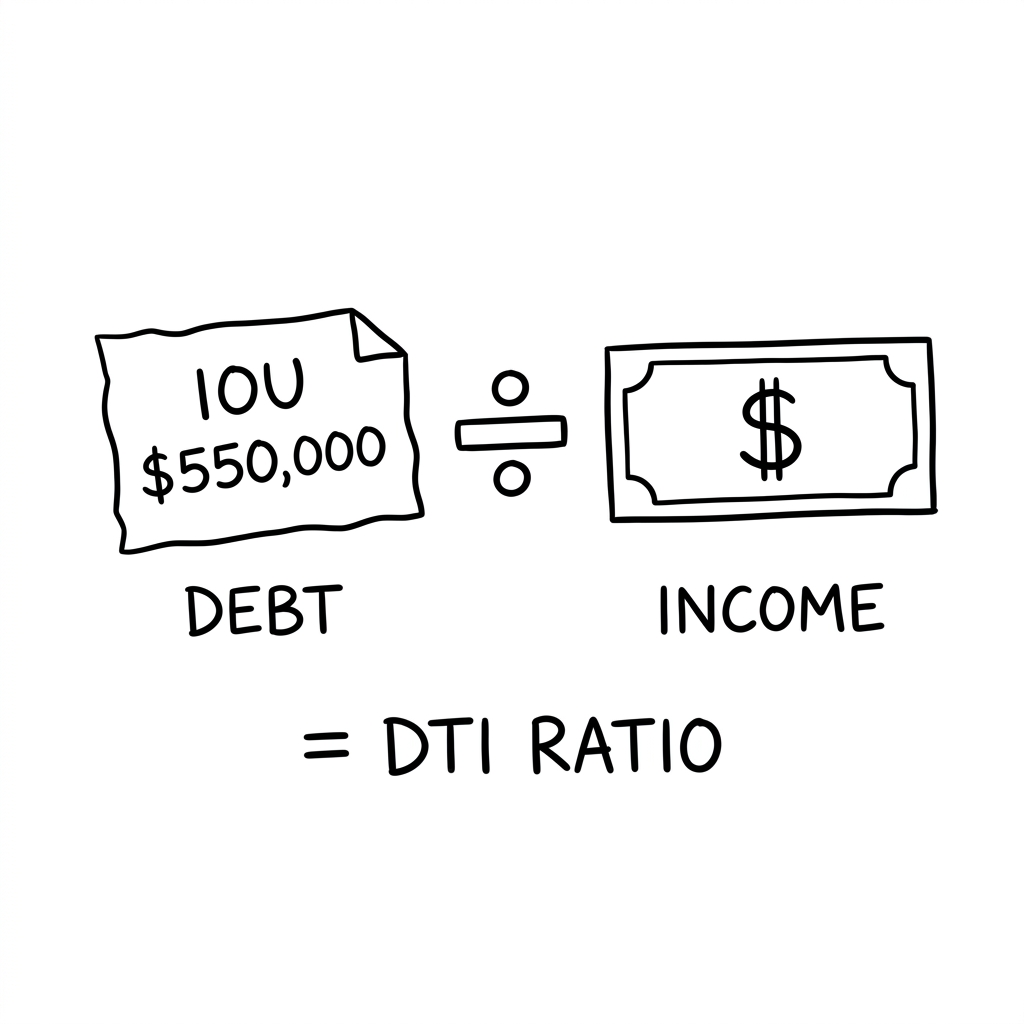
DTI compares everything you owe to everything you earn. If you earn $100,000 a year and want to borrow $550,000, your DTI is 5.5. That might seem comfortable, until you factor in a car loan, and the number climbs. The RBNZ limits how much of a bank's new lending can go to high-DTI borrowers, so lenders pay close attention to where you sit relative to that threshold.
The part people often miss: every debt counts, not just the mortgage. Credit card limits are typically included even if you pay them off monthly. Personal loans, car finance, and buy-now-pay-later balances all count. A credit card limit you rarely use could still reduce how much a bank will lend you. Tidying up unused credit before applying is one of the simpler ways to improve your position.
DTI rules in NZ have been formally enforced by the RBNZ in recent years. Banks can still lend to higher-DTI borrowers, but only within limits set by the RBNZ. In practice, if your DTI is above the threshold, a mortgage manager will typically ask you to reduce your debt first, or suggest looking at non-bank lenders, who tend to have more flexibility but charge higher rates.
For buyers with existing debts, DTI is often the single biggest constraint on how much they can borrow. Paying down a personal loan or car finance before applying can free up meaningful headroom on your maximum mortgage, because every dollar of existing debt reduces your borrowing capacity by a multiple of that amount under the DTI rules.
See how this affects your numbers
Run the mortgage calculator to see how debt-to-income ratio (dti) plays out in your specific situation.