Loan-to-Value Ratio (LVR)
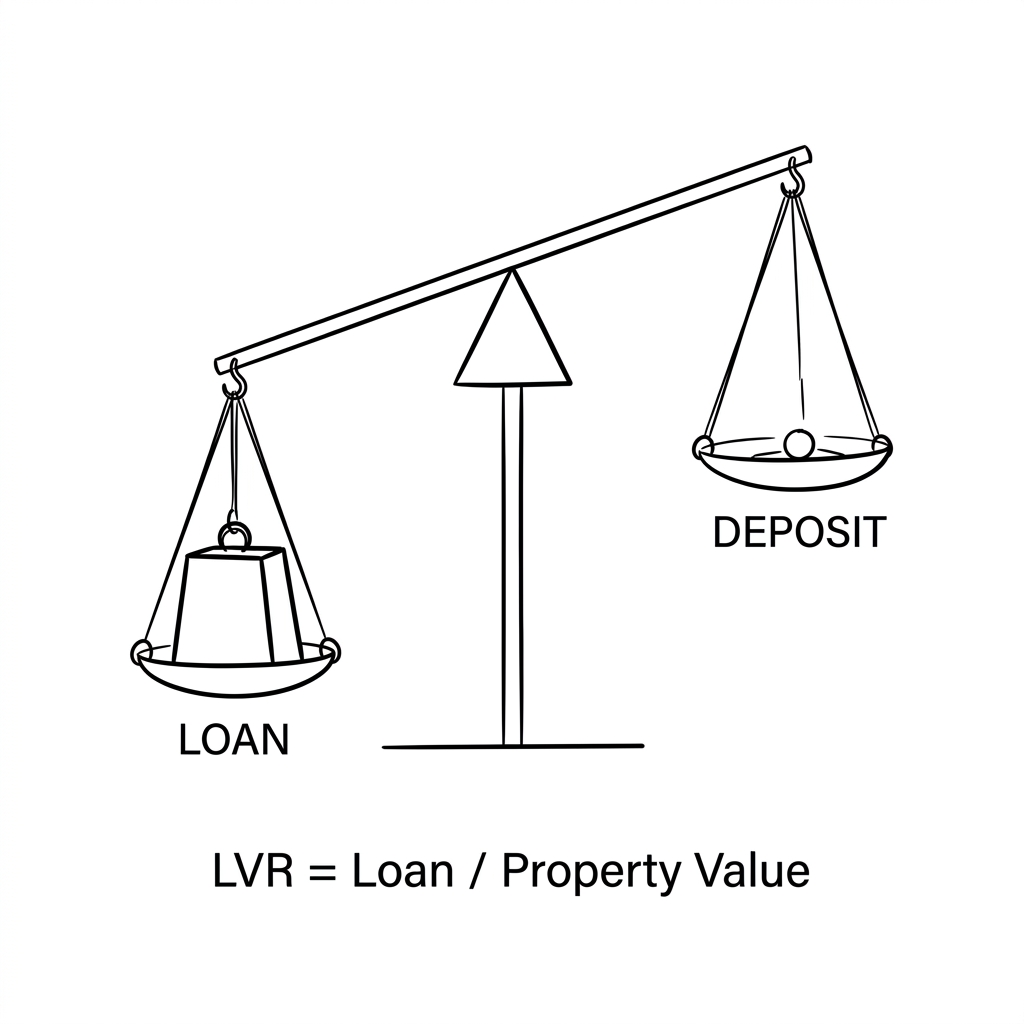
LVR is simply what percentage of the property price you are borrowing. Say a house costs $700,000 and you have saved a $140,000 deposit, you need to borrow $560,000. Divide the loan by the purchase price and you get 80%. That is your LVR. The bank is covering 80 cents of every dollar; your deposit covers the other 20.
Banks care about LVR because it tells them how exposed they are if things go wrong. If you borrowed at a very high LVR and property prices fall, you could end up owing more than the house is worth. That is called negative equity, a problem for both you and the bank. A larger deposit gives the bank a buffer before that happens, which is why 80% LVR is generally the standard threshold.
The RBNZ limits how much high-LVR lending banks can do at any one time. So even if your income is solid and you pass the stress test, a small deposit can still be an obstacle with mainstream lenders. The First Home Loan scheme is the main exception in NZ, allowing a lower deposit for eligible buyers, check the Kainga Ora website for current eligibility criteria.
The higher your LVR, the larger your loan and the higher your monthly repayments. Borrowing at 90% versus 80% on the same purchase price means a meaningfully larger loan, and that extra debt comes with extra interest every month. A lower LVR can also help you secure a better interest rate, since the bank takes on less risk when you have more equity in the property from day one.
See how this affects your numbers
Run the mortgage calculator to see how loan-to-value ratio (lvr) plays out in your specific situation.