Mortgage Stress Test
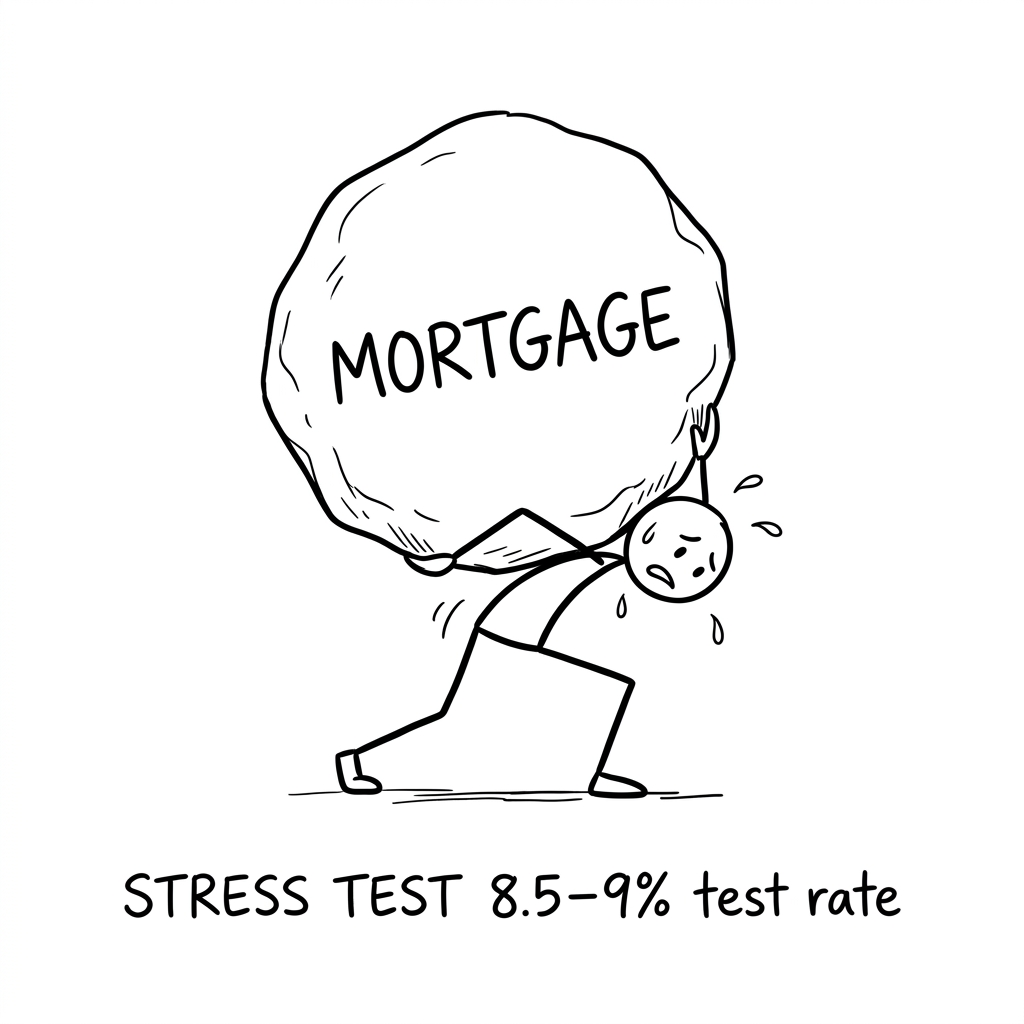
When a bank assesses your mortgage application, they do not just check if you can afford repayments at today's rate. They run the numbers at a significantly higher hypothetical rate. This is the stress test. If you cannot service the loan at that higher rate based on your income and expenses, the bank may decline the application, even if you would be comfortably making payments at the actual rate today.
The logic is straightforward: interest rates change. NZ has seen significant rate swings in recent years, with borrowers who locked in low rates suddenly facing much higher costs when their fixed terms ended. The stress test is designed to ensure you could survive that kind of shift without defaulting. It is the bank protecting itself, and in doing so, protecting you.
Because the stress test rate is typically set well above what you will actually pay, it can significantly reduce the maximum loan amount a bank will approve. That is why pre-approval amounts sometimes feel lower than expected, and why improving your income or reducing existing debt before applying can make a real difference to the outcome.
The gap between the stress test rate and the actual rate you pay determines how much the bank will lend you. A higher buffer means a lower approved loan amount. Reducing your existing debts, increasing your income, or contributing a larger deposit are the most effective ways to improve your stress test outcome, speak with a mortgage adviser about what makes sense for your situation.
See how this affects your numbers
Run the mortgage calculator to see how mortgage stress test plays out in your specific situation.