Principal & Interest (P&I)
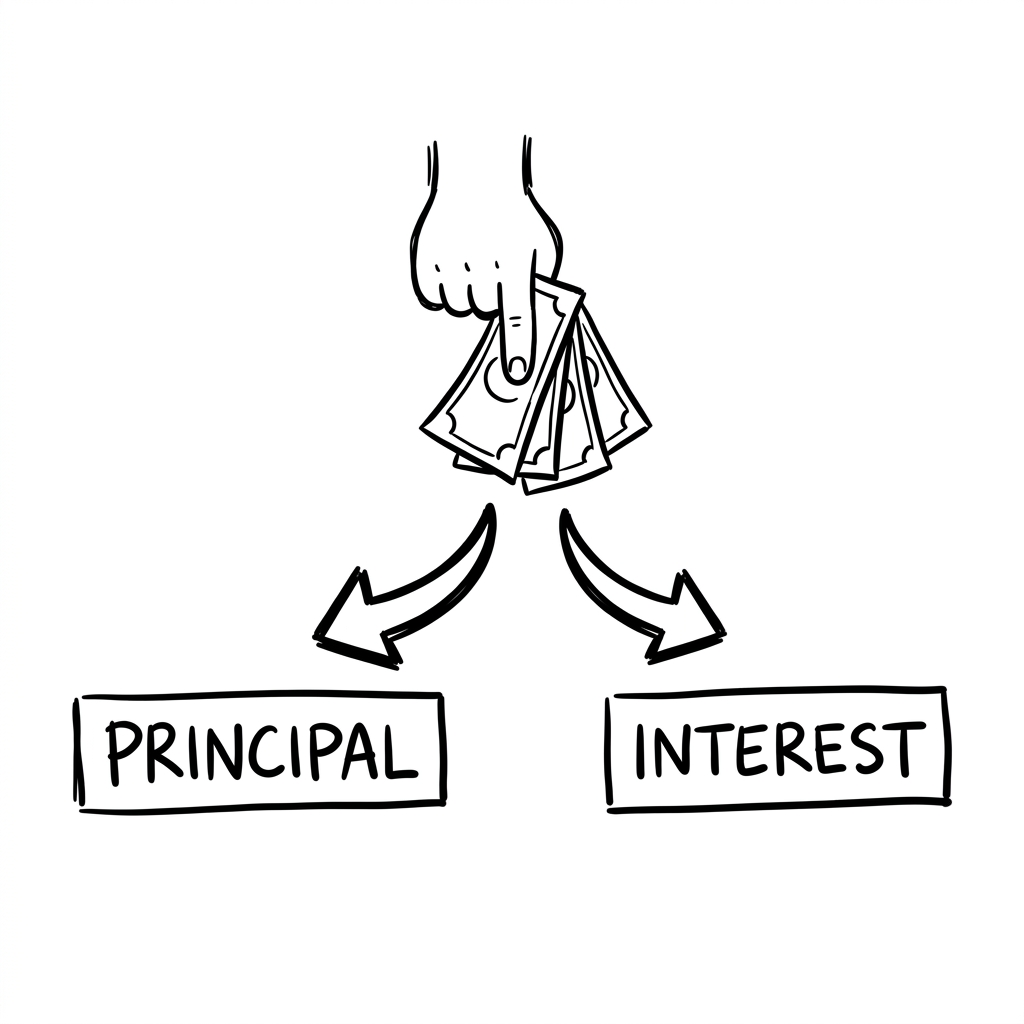
A principal and interest mortgage is the standard repayment structure for most NZ home loans. Every regular payment you make is split into two components: the interest charged on the outstanding loan balance for that period, and a contribution toward reducing the principal (the amount originally borrowed). Over time, as the principal shrinks, the interest component of each payment decreases and the principal repayment component increases.
This structure means you are always making progress toward fully owning the property. The loan is designed to be paid off entirely by the end of the agreed term, assuming you make all scheduled repayments on time. If you make additional repayments, you reduce the principal faster, which reduces the interest charged on subsequent payments and shortens the overall loan term.
P&I is the repayment type that most banks require for owner-occupier mortgages, and it is the structure that builds equity most directly. Lenders view P&I borrowers as lower risk than interest-only borrowers, since the balance is actively reducing over time.
A P&I mortgage will always have higher repayments than an interest-only arrangement for the same loan amount, because you are paying down principal as well as interest. However, each payment builds equity directly and reduces the total interest paid over the life of the loan. Lenders also generally apply lower stress test rates to P&I loans compared to interest-only, which can improve your borrowing capacity.
Related Terms
See how this affects your numbers
Run the mortgage calculator to see how principal & interest (p&i) plays out in your specific situation.