Fixed Rate Mortgage
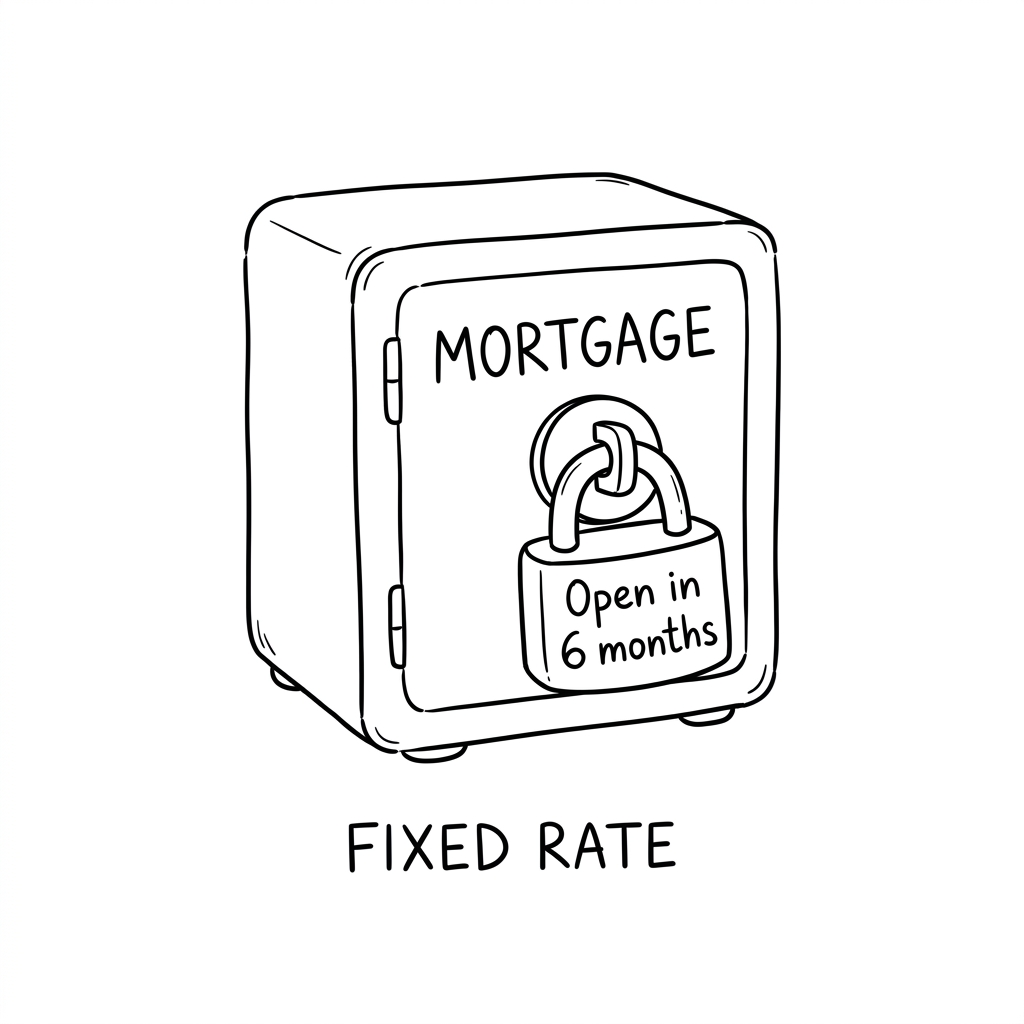
A fixed rate mortgage locks your interest rate for an agreed period, typically 6 months, 1 year, 2 years, 3 years, or 5 years. During that time, your repayment amount does not change regardless of what happens to the OCR or market rates. That certainty makes it much easier to budget, which is why fixed rates are the most popular structure in New Zealand by a wide margin.
At the end of your fixed term, the loan typically rolls to a floating rate until you re-fix. This is called rollover or re-pricing, and it is the moment most borrowers feel rate changes most acutely. If the OCR has risen since you last fixed, your new rate will likely be higher. If it has fallen, you may benefit from lower rates. Choosing which term to fix for involves a judgement call on where rates are heading, and there is no guaranteed right answer.
The main trade-off with a fixed rate is flexibility. If you want to make large lump-sum repayments, sell the property, or switch to a better deal mid-term, you will likely face a break fee. Break fees can be significant in some cases, so it is worth understanding them before committing to a longer fixed term.
Your fixed rate directly determines your monthly repayment for the duration of the term. Even a modest difference in rate can add up to a meaningful amount over months or years. Fixing longer gives you certainty but risks missing future rate falls. Fixing shorter gives you more flexibility to benefit if rates drop, but means more frequent exposure to whatever the market is doing at rollover time.
See how this affects your numbers
Run the mortgage calculator to see how fixed rate mortgage plays out in your specific situation.