Equity
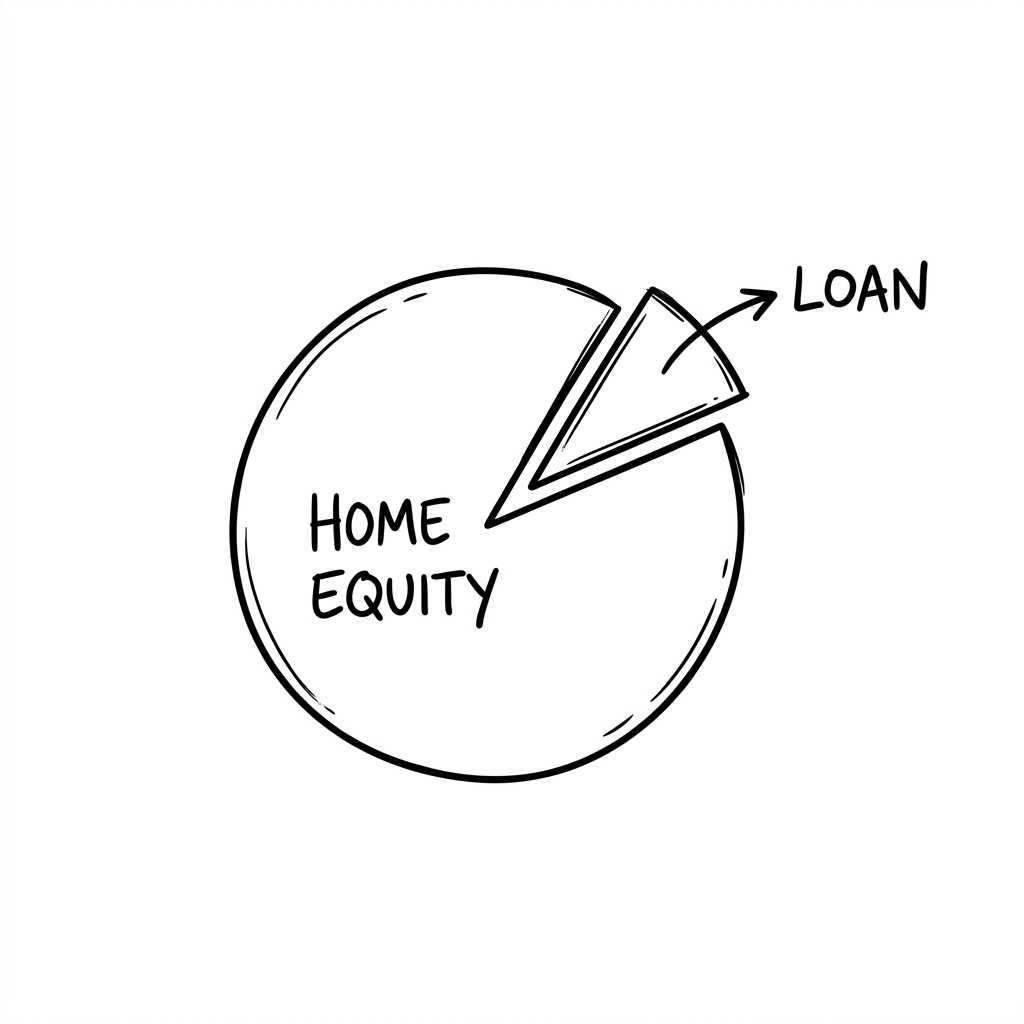
Equity is the share of your property that you genuinely own. It is calculated as the current market value of your home minus the outstanding balance of your mortgage. If your home is worth a certain amount and you still owe a proportion of that to the bank, the difference is your equity. When you first purchase a property with a deposit, that deposit is your starting equity.
Equity grows in two ways: through mortgage repayments that reduce the outstanding principal over time, and through any increase in the market value of the property. In periods of rising property prices, equity can grow relatively quickly even when loan repayments are modest. In periods of falling prices, equity can erode, and in some cases, if a property loses value significantly, equity can become negative, meaning you owe more than the home is worth.
Equity is not just a number on paper. It has real, practical uses. Once you have built a meaningful amount, it can be used as security to access additional borrowing, such as a top-up on your mortgage or a revolving credit facility for renovations. It also plays a central role in refinancing decisions and property investment strategies.
Equity directly affects your borrowing position. More equity generally means a lower LVR, which can unlock access to better rates and more lenders. It also gives you flexibility, equity can be tapped to fund renovations that add value, or used as a deposit on an investment property. The earlier you build equity through a combination of a strong deposit and diligent repayment, the more financial options you have over time.
Related Terms
See how this affects your numbers
Run the mortgage calculator to see how equity plays out in your specific situation.